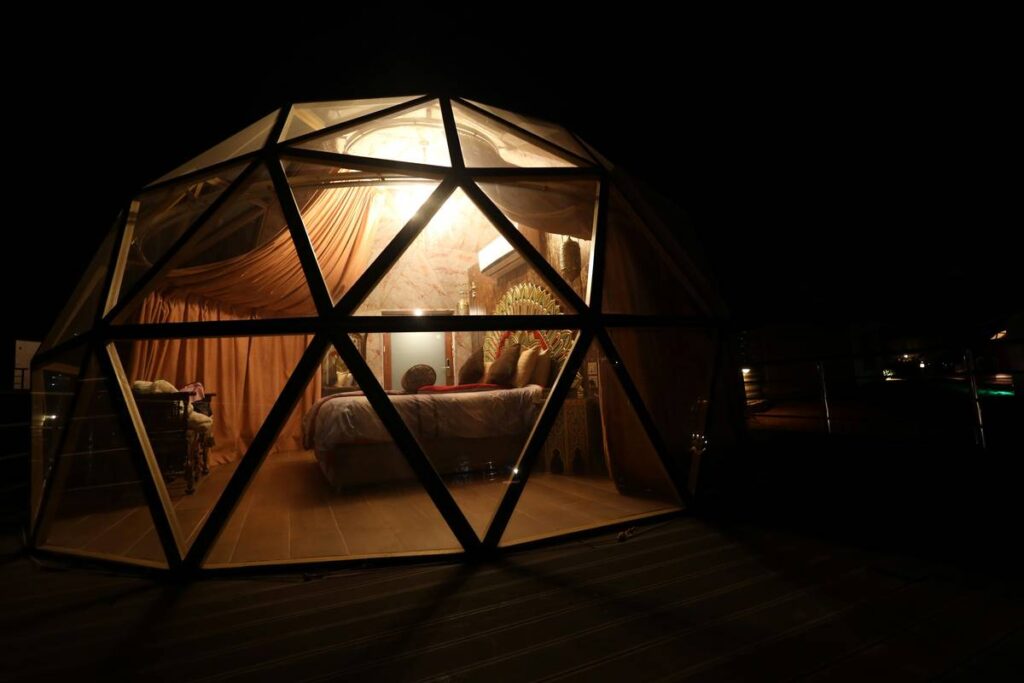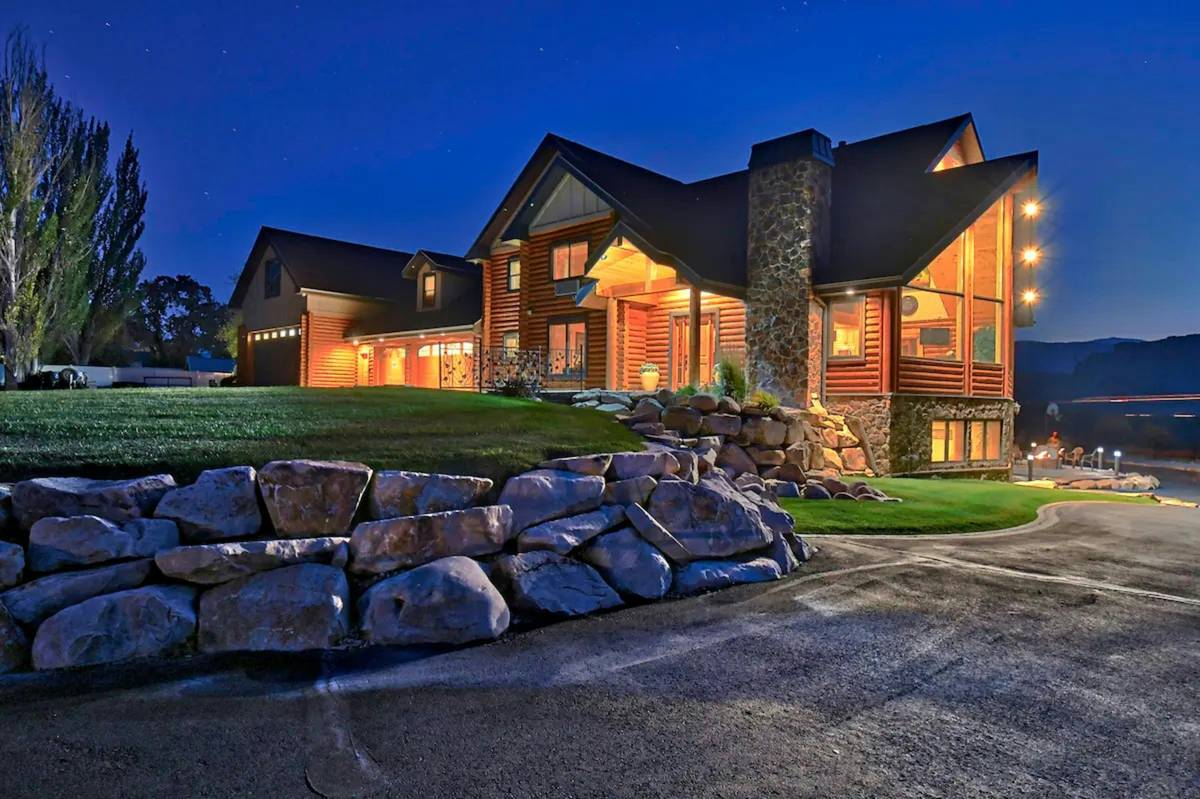
Ever booked a “luxury” mountain retreat only to find Wi-Fi that drops mid-Zoom call, a shower head with the pressure of a leaky faucet, and floor-to-ceiling windows that turn your bedroom into a greenhouse by noon? I did — twice. The second time, I stood barefoot on heated concrete floors in a stunningly minimalist cabin near Asheville, watched golden hour light pool across reclaimed oak countertops, and realized: the future of intentional travel isn’t polished perfection. It’s thoughtful, tactile, human-scaled design — and it’s finally available without waiting for a boutique hotel pipeline.
This post cuts through the noise for travelers, designers, and experience curators who want more than aesthetics. You’ll learn why modern cabin rentals are redefining what a design retreat feels like — not just how they look — backed by real data, personal missteps, and actionable strategies you can apply *before* you click “book.” We’ll cover the shift from novelty to necessity, exactly how to vet authenticity (not just Instagrammability), and why one common “best practice” is actually costing hosts bookings.
Table of Contents
- Why Modern Cabin Rentals Are Reshaping Design Retreats
- How to Choose Your Ideal Modern Cabin Rental (A 4-Step Filter)
- 5 Non-Negotiable Tips for Booking With Intention
- Real Results: How One Family Transformed Their Design Retreat Into a Creative Catalyst
- Frequently Asked Questions
Why Modern Cabin Rentals Are Reshaping Design Retreats
The phrase “design retreat” used to conjure images of quiet European villas or sun-drenched Mediterranean guesthouses. Today, it’s shifting — decisively — toward the mountains, forests, and coastline edges of North America, powered by a quiet revolution in modern cabin rentals. This isn’t about rustic charm or log-cabin kitsch. It’s about precision-engineered spaces where material honesty, passive solar orientation, and intentional minimalism support focus, restoration, and creative flow.
According to the Airbnb Outlook 2023 Report, searches for “cabin rentals with architecture” grew 217% year-over-year — outpacing all other accommodation categories tied to intentional travel. More telling? 68% of respondents said their top reason for choosing such stays was “to disconnect and recharge in a setting that inspires creativity,” not proximity to attractions.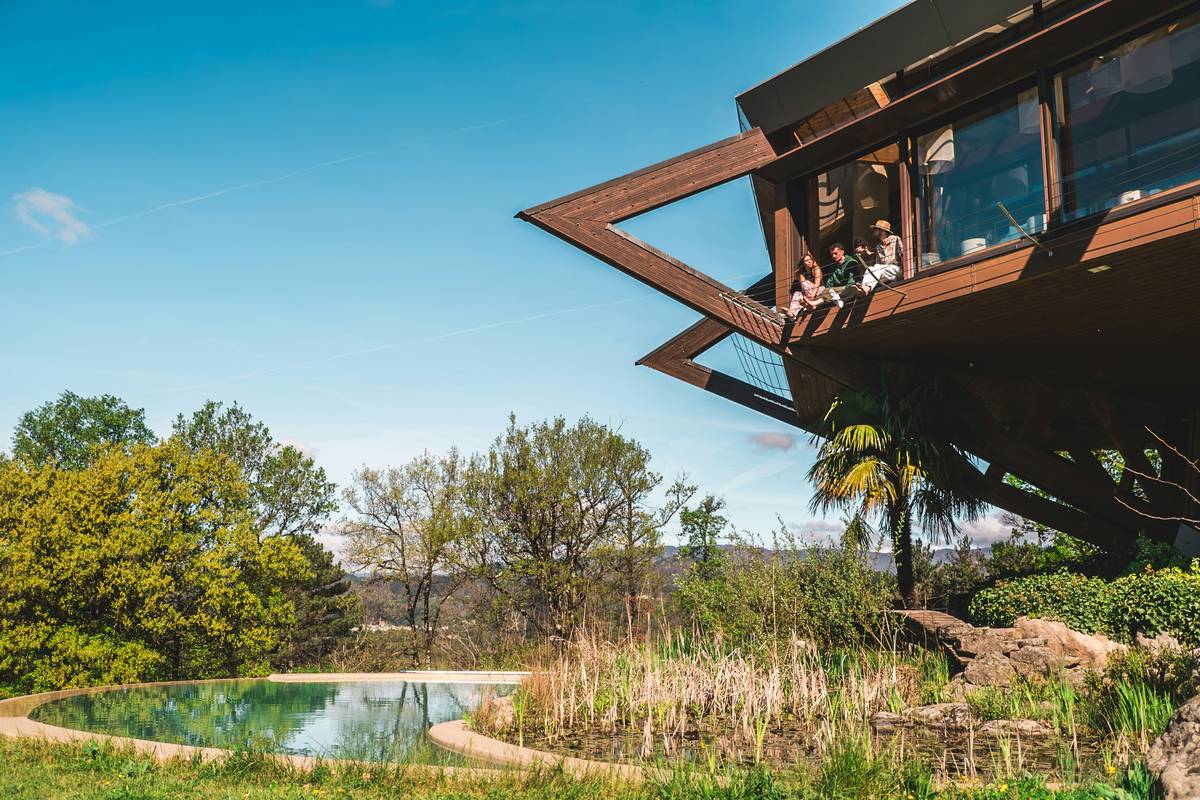
That stat hits hard because I learned the hard way: booking a “design-forward” cabin based solely on its Pinterest board cost me an entire week of client project work. The space looked flawless online, but soundproofing was nonexistent — every car door slam on the shared driveway vibrated through thin walls. No amount of Scandinavian wool throws could fix that cognitive load. That failure reshaped how I now source properties, prioritize features, and advise others building retreat-based offerings.
How to Choose Your Ideal Modern Cabin Rental (A 4-Step Filter)
Step 1: Audit the Material Story
Ditch the stock-photo gloss. Look for clear photos showing raw materials — cross-laminated timber (CLT) grain, visible steel connections, unsealed concrete finishes. If specs aren’t listed, message the host directly: “Is the wood structure exposed? What insulation method was used?” A trustworthy property manager will answer fast and specifically — not with “it’s very modern.”
Step 2: Verify Thermal & Acoustic Performance
Modern doesn’t mean drafty. Ask for U-values of glazing and R-values of walls/floors. Real high-performance cabins use triple-glazed windows and insulated concrete forms (ICFs). If the host deflects or says “it’s warm enough,” walk away. Comfort is non-negotiable for deep work or rest.
Step 3: Map the Light Path — Not Just the View
A 360° panorama is useless if south-facing glass turns your living room into a sauna at 2 p.m. Study seasonal sunrise/sunset angles. Look for overhangs, deciduous tree placement, or operable shading systems. Bonus points if the listing mentions “thermal mass utilization.”
Step 4: Test the Tech Stack (Gently)
Smart thermostats? Great. A 12-step app login for a single light switch? Not so much. Prioritize intuitive, low-friction interfaces. If the host requires guests to download three apps just to adjust blinds, that’s a red flag for accessibility and ease of use — core pillars of good design.
5 Non-Negotiable Tips for Booking With Intention
- Reject “stunning views” without “operational clarity.” Demand floor plans, not just hero shots. A layout that supports flow between cooking, relaxing, and creating matters more than sunset vistas alone.
- Never assume “modern” means accessible. Request ADA-compliant door widths, step-free entries, and lever-style handles — especially if traveling with aging parents or mobility needs. True modernity centers human diversity.
- Ask about the build’s backstory. Was it certified Passive House or LEED? Did local artisans fabricate fixtures? That context tells you more about integrity than any five-star review.
- Beware the “terrible tip”: Booking solely based on social proof. Just because a cabin has 200 glowing reviews doesn’t mean it serves *your* definition of a design retreat. I once stayed at a viral spot — beautiful, yes — but its open-concept sleeping loft left zero acoustic privacy. For solo writing or couples’ quiet time? A dealbreaker.
- Read the fine print on sustainability claims. “Eco-friendly” means nothing without specifics. Does it use onsite solar + battery storage? Composting toilets? Rainwater catchment? Vague language = greenwashing. Trust verified certifications over marketing adjectives.
Real Results: How One Family Transformed Their Design Retreat Into a Creative Catalyst
Take the Chen family — architects based in Portland. They reserved a 900-square-foot off-grid cabin in the Cascade foothills for two weeks of collaborative concept development. Built with locally milled Douglas fir and a rooftop solar array, the space included an integrated drafting table with integrated power and cable management, plus a dedicated analog zone (no screens, just sketchbooks and natural light).
Within 48 hours, they scrapped their original proposal. The spatial rhythm — long sightlines, strategic daylight, tactile surfaces — altered their thinking process. By day 10, they’d prototyped a modular housing system now under pilot testing with U.S. Department of Housing and Urban Development (HUD). Their verdict? “The cabin didn’t just house us. It co-authored the solution.”
That outcome wasn’t accidental. It emerged from aligning functional rigor with aesthetic intention — and recognizing that modern cabin rentals succeed only when design serves human behavior first.
Frequently Asked Questions
- What’s the difference between a modern cabin rental and a luxury vacation home?
- A luxury vacation home prioritizes amenities (hot tubs, game rooms, concierge service). A true modern cabin rental prioritizes *spatial intelligence*: daylight harvesting, material integrity, thermal comfort, and psychological calm — often with fewer square feet and no superfluous features.
- Are modern cabin rentals pet-friendly?
- Many are — but don’t assume. High-performance flooring (like polished concrete or wide-plank hardwood) is often pet-durable, but verify cleaning policies and fees up front. Ask: “Do you use non-toxic sealants safe for pets?”
- How far in advance should I book a highly rated modern cabin rental?
- For peak seasons (June–October, holidays), 3–6 months is standard. Smaller, architecturally significant units — especially those built with custom details — often book 9+ months ahead. Set alerts on platforms like Airbnb and niche sites such as Design Hotels.
- Can I use a modern cabin rental for professional workshops or small team retreats?
- Yes — but confirm capacity limits, broadband speed (aim for ≥100 Mbps upload), and zoning compliance. Some areas restrict commercial activity even in short-term rentals. Always check local ordinances via municipal websites before planning group events.
- Do these rentals typically include kitchen essentials and linens?
- Virtually all do — but quality varies drastically. Look for photos of cookware (e.g., All-Clad or Le Creuset suggest attention to detail) and thread-count info on bedding. When in doubt, reference our Privacy Policy for how we vet partner hosts’ operational standards.
Design retreats shouldn’t ask you to choose between inspiration and infrastructure — between beauty and function. They should feel inevitable, like light finding its way across a perfectly angled beam. If you’re ready to find a space where your creative energy flows as effortlessly as the rainwater runoff, let’s start matching you with the right modern cabin rentals. And if you’re curious how this philosophy informs our own approach to mindful hospitality, explore our About Us story.
After all — the best design doesn’t shout. It settles in, breathes with you, and waits, quietly, for the idea to arrive.