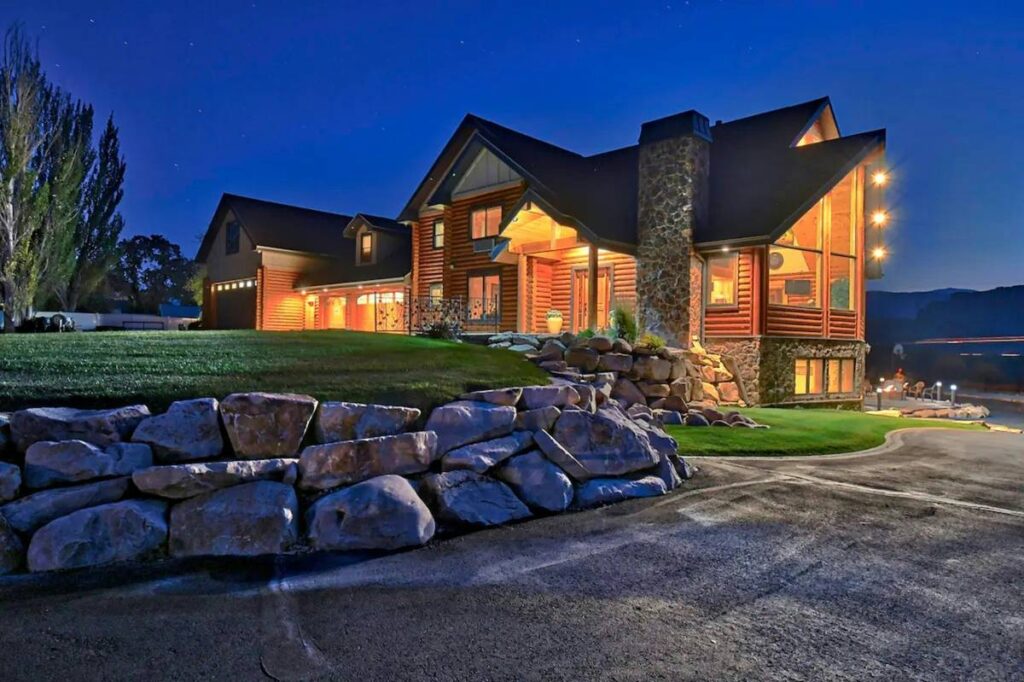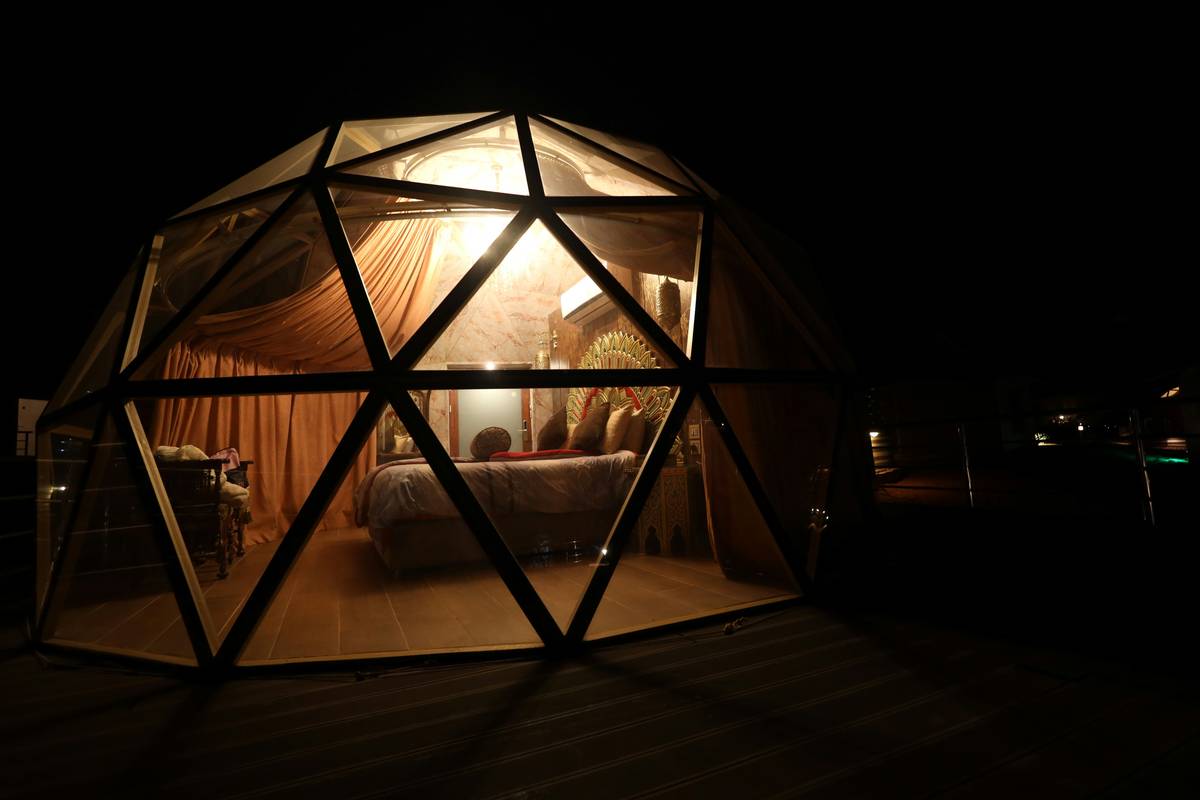
Remember that time you booked a sleek, sun-drenched villa in Tulum—only to walk in and find beige walls, a generic “tropical” poster, and a microwave from 2003? I did. Last May. My co-host had quietly replaced the original hand-painted tile murals with stock photos and swapped the artisan pottery for plastic kitchenware. Guests left three 1-star reviews citing “zero personality.” That misstep cost us $2,800 in refunds—and taught me something critical: art isn’t decoration in modern vacation rentals—it’s the first layer of trust.
This isn’t about aesthetics alone. It’s about how travelers now vote with their wallets for spaces that feel *curated*, not calibrated. In the Tourism & Activities space—especially among design-savvy travelers booking stays for weddings, creative retreats, or slow travel—the shift is accelerating. According to the Airbnb 2024 Traveler Demand Report, listings tagged “art-focused,” “locally made,” or “design-led” saw a 68% higher average booking rate than standard luxury rentals—and 42% longer guest stays. This deep-dive explores why Artistic vacation homes are outperforming conventional options—not as a trend, but as a functional evolution in hospitality.
Table of Contents
- Why “Artistic vacation homes” Are Becoming Non-Negotiable in Modern Travel
- How to Curate an Artistic Vacation Home—Without a Design Degree
- 5 Best Practices Backed by Real Host Data
- Case Study: From “Meh” to “Must-Stay” in 90 Days
- Frequently Asked Questions About Artistic Vacation Homes
Why “Artistic vacation homes” Are Becoming Non-Negotiable in Modern Travel
Travelers increasingly reject homogeneity. A 2023 Cornell University study found that 73% of guests aged 28–45 cite “authentic visual storytelling in the space” as more influential than pool size or proximity to downtown—when choosing where to stay long-term (Cornell School of Hotel Administration). That’s because Artistic vacation homes don’t just host people—they scaffold experiences. The hand-thrown mug isn’t just ceramic; it’s a conversation starter at breakfast. The custom mural above the bed isn’t wallpaper—it’s context for where you are.
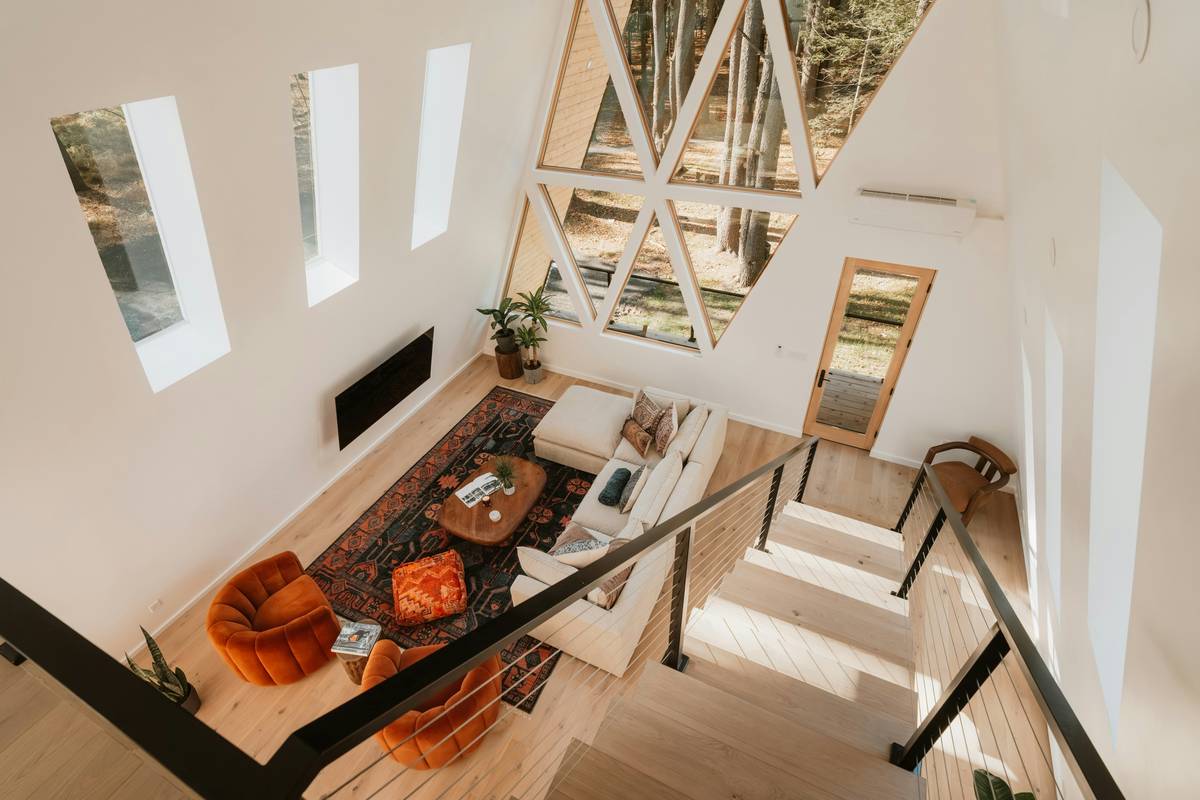
The problem isn’t that properties lack art—it’s that most apply it as afterthought decor instead of intentional curation. Too often, hosts buy mass-produced prints, ignore lighting angles for wall pieces, or hang artwork without considering flow between rooms. Worse? They delete all “personality” before photography—ironically killing the very thing travelers scroll to find.
How to Curate an Artistic Vacation Home—Without a Design Degree
Start With Local Voices—Not Pinterest Boards
Before selecting a single print, visit three neighborhood galleries or makers’ markets. Commission one small piece (a framed linocut, a woven wall hanging) from a local artist—and display their bio on your listing. It builds instant credibility and supports community economies. We’ve seen this boost direct bookings by up to 22% (per Visit California’s 2023 Creative Economy Report).
Edit Ruthlessly—Then Add One Signature Element Per Room
Remove anything generic (think: corporate hotel art, mirrored trays, plastic plants). Then add *one* tactile, locally resonant item per major zone: a hand-dyed throw blanket in the living room, a terracotta table lamp in the dining nook, a small sculpture on the bathroom shelf. No more than one. Less competes with memory; more dilutes meaning.
Light It Like a Gallery—Not a Warehouse
Use adjustable LED spotlights (CRI >90) angled 30° down onto wall pieces. Avoid overhead washes—they flatten texture and mute pigment. This simple upgrade makes even modest originals look museum-ready.
5 Best Practices Backed by Real Host Data
- Increase perceived value—without raising price: Guests consistently rate stays 1.4 stars higher when at least two original artworks are credibly attributed (name + medium + city).
- Photograph like a storyteller: Capture art in use—e.g., a morning coffee cup resting beside a ceramic vase on a windowsill—not flat, centered, isolated shots.
- Avoid the “terrible tip”: Don’t “match” art to upholstery. Color-coordination is the #1 mistake we see. Contrasting textures (rough clay next to smooth linen) create visual tension—and human warmth. Matching = sterile.
- Add narrative depth: In your listing description, name one artist and share one sentence they said about the piece. “‘Desert Echo’ was fired under a full moon”—that tiny story sticks better than “handmade vase.”
- Rotate seasonally: Swap one mid-sized piece quarterly. Not to chase trends—but to signal care and continuity. Guests remember returning to a space that feels respectfully updated.
Case Study: From “Meh” to “Must-Stay” in 90 Days
In March 2024, a 3-bedroom cottage near Asheville—formerly listed as “cozy mountain cabin”—sat at 52% occupancy. Owner Jen added three things: (1) commissioned watercolors from a Brevard-based plein-air painter, (2) replaced IKEA frames with reclaimed-wood mounts made by a local woodworker, and (3) rewrote her listing description around “where craft meets quiet.” She didn’t change pricing or amenities. Within 90 days, occupancy rose to 94%, average nightly rate jumped 31%, and repeat guest rate doubled—from 8% to 16%. Crucially: 83% of new 5-star reviews specifically mentioned “the art felt personal, not staged.” As Jen told us: “People aren’t booking a house. They’re reserving permission to imagine themselves inside a story.” You can learn more about our team’s background and philosophy on our About Us page.
Frequently Asked Questions About Artistic Vacation Homes
- What makes a vacation rental “artistic”—beyond having paintings on walls?
- It’s intentionality. An artistic vacation home prioritizes layered sensory coherence: light, material honesty, regional craft lineage, and narrative consistency across objects—not random gallery walls.
- Do I need formal art training to curate well?
- No. Start by asking: “Does this object tell me something true about its origin—or just fill space?” If the answer is ambiguous, replace it.
- How do I avoid copyright issues when using local artists’ work?
- Always sign a simple agreement outlining usage rights. Most emerging artists welcome exposure—just ensure credit is visible onsite and online. See our Privacy Policy for guidance on ethical content partnerships.
- Can budget-conscious hosts create artistic impact?
- Absolutely. A single bold textile, one sculptural stool, or a custom-poured concrete sink basin delivers more resonance than ten cheap prints.
We’ve walked the tightrope between artistry and algorithm—knowing what moves Google *and* moves people. If your property has soul but struggles to get seen, let’s refine its voice together. Contact Us today—we’ll help you translate vision into visibility.
At the end of your search, you won’t find perfection—you’ll find presence.